
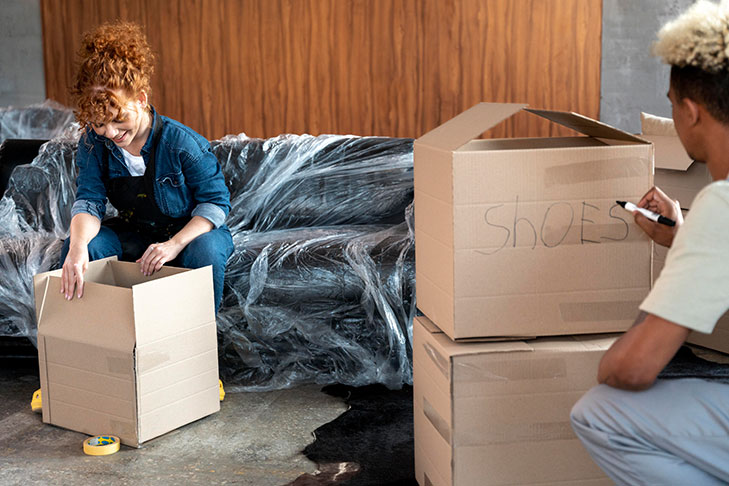
Moving with a full calendar can feel like a puzzle with missing pieces. School runs, late meetings, and weekend games fill the day, and then the boxes start to pile up. It is easy to lose track of what matters and where anything is. Packing services can help by turning a messy task into a clear plan. A good team sorts, protects, and labels your things so you do not have to. This blog explains how packing services work, what supplies they use, and how you can get ready fast. With a few smart steps, your home can go from clutter to calm, even when life is busy.
Why Packing Feels Hard During Busy Seasons
Packing is more than putting things in boxes. It is a chain of small tasks that eat up hours: sorting, wrapping, taping, and carrying. When work and family pull you in many directions, the job stalls.
Here is why it feels hard and how services fix it:
Too many choices: Keep, donate, or toss? The packers help you decide, room by room.
Hidden time costs: Finding tape, the right box, or a marker breaks your flow. A crew brings everything.
Body strain: Lifting incorrectly can hurt your back or knees. Pros use dollies and lifting straps.
Order problems: Random packing means lost items on move-in day. Services use a set order and labels.
A packing team follows a tight sequence: quick walk-through, grouping by room, packing from least-used items to daily needs, and making a load list. This keeps the day moving and prevents last-minute chaos. For families, this means kids still get dinner on time and tomorrow’s school bag is not buried in a box.
How Professional Packers Organize Every Single Room
Pros begin with a survey of each room. They list fragile items, heavy pieces, and things you need until the last day.
Then they build a plan:
Zone setup: A clear table becomes the packing station with tape, paper, and labels.
Sort first: Items are grouped by use—daily, weekly, seasonal. Daily items go in “open-first” boxes.
Right box, right job:
1.5 cu ft “book boxes” for books and tools (kept under ~45 lbs).
3.0 cu ft “medium boxes” for toys, linens, and pantry goods.
4.5–6.0 cu ft “large boxes” for light, bulky items like pillows.
They also pack in layers: heavy items on the bottom, lighter items on top, with paper cushions at corners. Furniture gets padded blankets and shrink wrap to prevent scuffs. Wardrobe boxes let you move clothes on hangers without folding. The result is clear lanes through the home, safe stacks, and a simple path to the door.
Smart Supplies That Protect Your Stuff Safely
Good packing relies on simple, proven materials:
Corrugated boxes: Double-wall boxes for fragile or heavy items add crush resistance.
Tape: 2.0–2.2 mil packing tape with strong adhesive seals seams. H-taping the top and bottom increases strength.
Paper wrap: Unprinted newsprint cushions, plates, and glasses without ink transfer.
Bubble wrap: Small bubbles (around 10 mm) for glassware; large bubbles (around 25 mm) for electronics and frames.
Dish packs: Extra-thick cartons for dishes and glass sets; cell dividers stop clinking.
Stretch wrap: Keeps drawers closed and bundles odd shapes.
Corner protectors: Foam or plastic corners for TVs, mirrors, and frames.
A quick rule helps families keep things safe: if it can crack or dent, it gets padding on all sides and a test shake. If you hear movement, add more fill. For kids’ items with small parts, zip bags grouped into a single “kit” box stop the dreaded “Where is that piece?” question on moving day.
Easy Time Saving Steps Before Packers Arrive
A little prep can save hours, even if you only have one evening:
Make a keep-out basket: Meds, chargers, a few snacks, and tomorrow’s outfits go in one place.
Empty trash and laundry: This prevents packing what you do not want.
Mark no-pack zones: Tape a paper sign on beds or closets that must stay open until the last day.
Group tiny items: Use zip bags for screws, remote controls, and cords; label each bag.
Clear surfaces: Open space speeds wrapping and boxing.
If you can, list your “open-first” needs for the first 48 hours:
Paper plates and cups
Basic tools and scissors
A towel set for each person
Soap, phone chargers, and bedtime items for the kids
Hand that list to the crew. They will place those items in a bright-labeled box and load it last so it comes off the truck first.
Labeling Systems That Keep Moves Stress-Free and Simple
Labels are the bridge between the old home and the new home. A clear system saves you from opening ten boxes to find one pan. Try this simple code:
Room + number: “Kitchen 01,” “Bedroom 02.”
Short contents: “Pots and pans,” “Board games.”
Fragile tag: A bold “FRAGILE” on two sides and the top.
Load direction: Arrows show which side stays up.
For extra clarity, use color tape or stickers per room. Green for the kitchen, blue for the living room, yellow for the kids’ room. Add a matching color dot on the doorframe of each room in the new home. Movers roll in and match color to color. This simple trick cuts hallway traffic, keeps stacks neat, and puts boxes where they belong the first time.
Safe Handling For Fragile, Heavy, And Odd Items
Different items need different care:
Plates and bowls: Pack standing on edge in dish packs with paper between each piece.
Glasses: Wrap stems, fill the cup with paper, then wrap the outside.
Electronics: Original boxes if you have them; if not, double-box with bubble wrap between boxes.
TVs and mirrors: Foam corners, a padded blanket, and a flat carton if available.
Books and tools: Small boxes only, so the weight stays safe to lift.
Lamps and shades: Bulbs out, cords tied, shades in their own box with no heavy items on top.
Gym gear: Disassemble benches and pedals; bag bolts and label.
Pros also use basic physics: keep the heaviest part close to the body, lift with knees bent, and never twist while holding weight. Ramps and dollies move loads without strain, and straps keep tall stacks stable. These habits prevent slips and protect your floors and doorframes.
Costs, Schedules, And What To Expect Next
Packing service costs depend on home size, item count, and speed. Many companies offer:
By-the-hour teams: Good for partial packing or last rooms.
Flat-rate quotes: Based on a walk-through or video survey.
Box and material fees: Charged per box, dish pack, or special carton.
A typical schedule looks like this:
A short call to learn your timeline.
A home visit or video check to estimate boxes and supplies.
A booking window with a crew size that fits your home.
Packing day with a lead who checks labels and loads an inventory list.
An optional unpacking service that sets up kitchen basics and bedrooms first.
Ask about insurance coverage for packed items, the weight limits they follow, and how they mark high-value pieces. A clear estimate and a written plan make move week feel simple and steady.
Final Thoughts And A Simple Next Step
Packing does not have to run your week. With the right plan, safe supplies, and a steady system, your home can go from messy stacks to clear rooms fast. If you want help, JJS Moving offers packing services that sort, wrap, label, and set you up for the first two days in your new place. Our crew brings the right boxes, the right tape, and the right steps, so your family can focus on school, work, and rest. Ready to make packing simple? Ask JJS Moving to build a plan and schedule a crew that fits your timeline.